How Much Harder Is It For Women To Lose Weight?
You and your partner decide to tackle weight loss together. You’re both committed, tracking every bite and counting calories faithfully. Yet somehow, he seems to drop the pounds faster than you. Frustrating right?
Data from an NHS weight management program helps explain why: men not only lost more weight than women during the first 12 months, but also maintained their weight loss more effectively over time.
It turns out that there’s more at play than motivation or effort. Women often face biological and hormonal factors that can make weight loss slower compared to men. Other differences, like metabolism, body composition, and life stages, come into play.
This can be irritating, but the good news is that there are practical strategies women can use to overcome these obstacles.
We’ll cover more about how much harder it is for women to lose weight below, including tips to help women achieve their weight loss goals.
Why Women Lose Weight Slower Than Men
One key reason men tend to shed pounds faster than women comes down to muscle, along with testosterone.
On average, men naturally carry more muscle than women, and muscle burns more calories at rest than fat, giving men a metabolic advantage for weight loss.
Higher testosterone levels in men support greater muscle growth, which helps them lose fat more efficiently and maintain lean mass during an energy deficit. Women produce only about 1/10th to 1/20th of the testosterone that men do, so muscle gain tends to be slower, often making early weight loss progress appear more gradual.
Body composition also plays a role. For the same body mass index (BMI), men typically have a higher proportion of lean, fat-free mass, while women have a higher percentage of body fat.
Women’s bodies are more efficient at conserving energy, a trait rooted in evolution to support fertility and reproduction. This energy efficiency is beneficial for long-term health, but it can make calorie restriction and weight loss feel slower in comparison.
Experts note that these biological differences explain why women often find it slightly harder to lose weight. However, while men may see faster initial results, the gap tends to narrow over time as the body adjusts.
How Women’s Hormones Influence Weight Loss
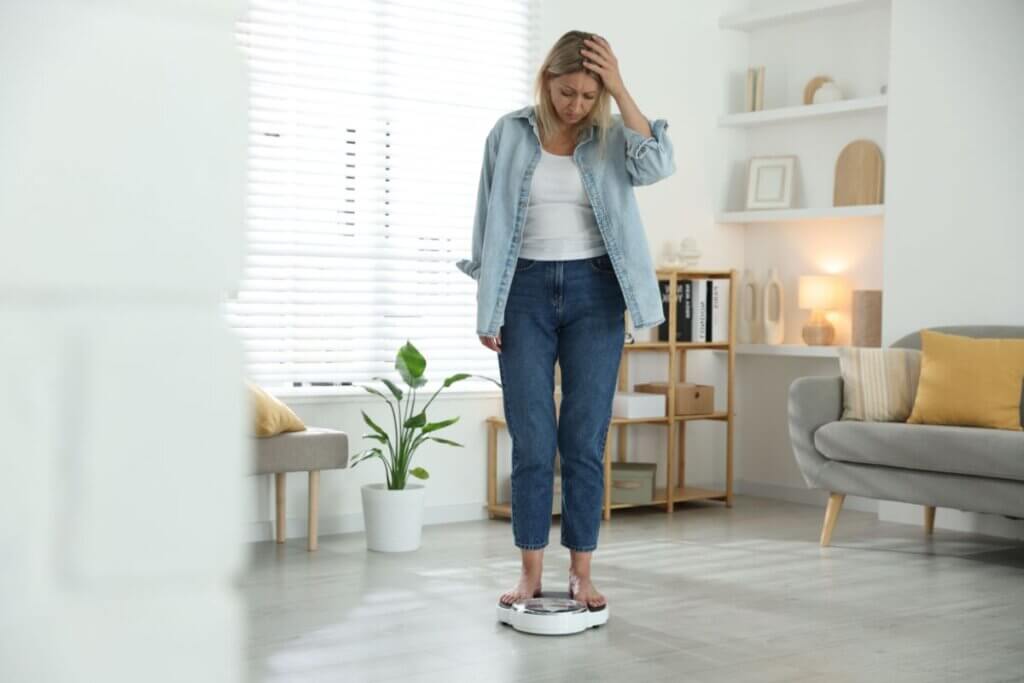
Women’s sex hormones, primarily estrogen and progesterone, play a role in regulating appetite, metabolism, and eating behaviours. These hormones help maintain energy balance and support many essential bodily functions, but fluctuations in their levels can make weight management more challenging.
For example, during the luteal phase of the menstrual cycle (the days leading up to a period), progesterone levels rise, often increasing hunger and calorie intake. Research indicates that women consume approximately 168 additional calories daily during this phase, primarily from carbohydrates and sweets.
This means that women may naturally eat more in the luteal phase compared to the follicular phase, which begins on the first day of menstruation. Such cyclical changes can make dieting feel harder at certain times of the month.
While hormone fluctuations are a natural part of life, lifestyle choices, including diet, sleep, and stress management, can influence how these hormones affect weight.

Life Stages
Following on from the above, women experience a variety of hormonal changes throughout their lives, and these shifts can affect how easily weight is lost.
Pregnancy
Pregnancy naturally brings weight gain and an increase in body fat, both to support the growing baby and prepare the body for breastfeeding. Following birth, the demands of caring for a newborn often limit time for sleep and physical activity, two important factors in weight management.
At six months postpartum, research shows that women reporting five hours or less of sleep per night were more likely to retain at least 5 kg one year after birth, compared to those who slept more.
This highlights how the challenges of early motherhood can make shedding pregnancy weight difficult, regardless of effort or intention.
Menopause
Menopause introduces another set of challenges. As estrogen levels decline, fat storage patterns shift, with more weight tending to settle around the abdomen instead of the hips and thighs. Muscle mass also decreases with age, which slows down metabolism and makes losing weight more difficult compared to earlier years.
One study found that fat mass gain can almost double during the menopause transition, rising from around 1% per year to 1.7% per year. The result is an average 6% increase in fat over the 3.5-year span of this transition.
Meanwhile, lean muscle mass was found to shift from an annual gain of 0.2% in premenopause to an annual decline of 0.2% during the menopause transition, equating to around 0.5% total loss of lean mass.
This underlines why women find weight management increasingly difficult during menopause, even when maintaining the same habits that once kept their weight stable.
Overcoming The Challenges Of Weight Loss
Even though women face unique biological and hormonal challenges, there are practical fitness and nutrition steps that can support weight management.
1. Build and Maintain Muscle
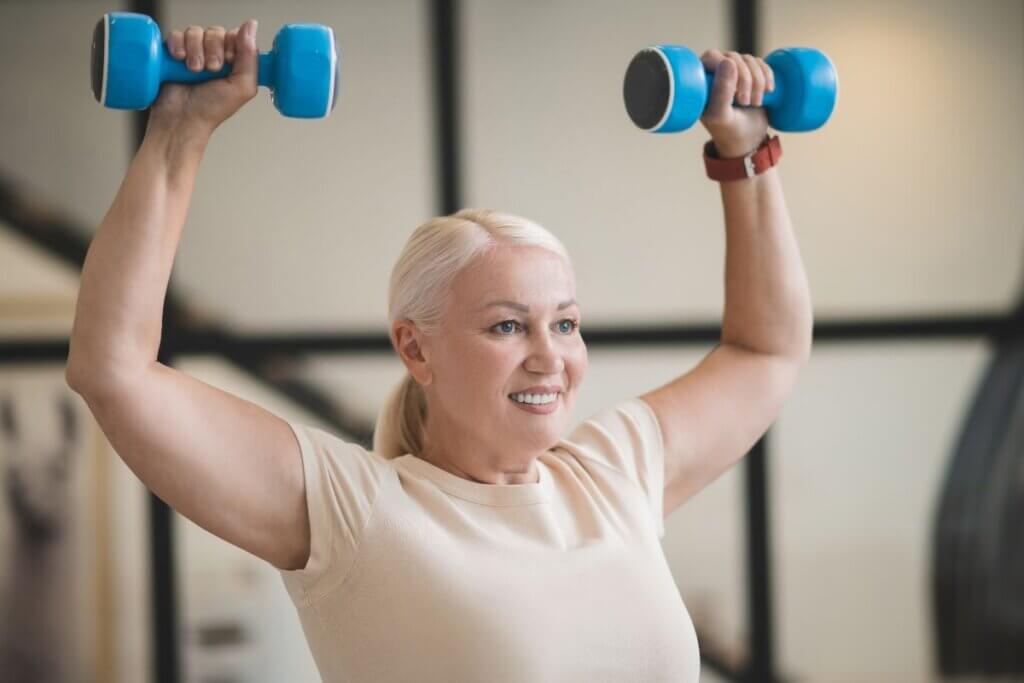
More muscle means a faster metabolism, which helps burn calories, even at rest. Strength training becomes even more important with age, as muscle mass naturally declines.
Aim to incorporate strength training in your routine to help preserve and build lean muscle. Guidance from a trainer familiar with weight management can help fine-tune your approach.
2. Choose An Eating Pattern That Fits You
There’s no single ‘best’ diet. What works for you depends on your health, lifestyle, and preferences.
Focus on nutritious, balanced meals with:
- Lean protein
- Healthy fats (e.g. nuts, olive oil, avocado)
- Limited refined carbohydrates (eg, sugar, white bread, sweetened drinks)
- Plenty of vegetables and high-fibre fruits for vitamins and minerals
Remember that women often require fewer calories than men on average, so portion awareness can make a big difference.
3. Focus on Long-Term Progress
Weight loss is not a race! Slow and steady changes are more sustainable. The NHS suggests losing between 0.5 to 1 kg (1-2lbs) per week as a healthy, maintainable pace.
Men might see quicker results at the start, but steady and consistent progress can work out in women’s favour over time. Setting realistic expectations, focusing on overall health instead of just the number on the scale, and being patient with your journey all make a difference.
How We Can Help
To sum up, just how much harder is it for women to lose weight?
From muscle mass and metabolism to hormone fluctuations, pregnancy and menopause, women face unique obstacles that can slow progress.
This doesn’t mean that weight loss is impossible! With the right plan, consistent support and strategies tailored to your body, you can absolutely reach your goals.
That’s where I come in! I’m Cordell Wilson, a personal trainer in Cardiff, and I help women overcome weight loss obstacles with guidance based on individual needs.
Whether you’re completely new to fitness, coming back after pregnancy or striving towards a personal goal, I’ll work with you to create a plan that’s effective and sustainable.
Give me a call on +447533762344 and let's chat about how I can help you on your weight loss journey.