
I’ve seen so many women kill it in their workouts, follow diet plans, do all the “ab” moves, and still feel stuck. Even with lifting, cardio, or those abdominal-fat loss routines, without good sleep, stress control, and recovery, fat loss stalls.
Today I’m diving into the game-changing power of rest: how sleep, stress, and recovery can turbo-charge your results. It’s not about working harder; it’s about letting your body heal, rebalance, and stay strong.
When you skimp on sleep, your body responds negatively in ways that directly affect fat loss. In a controlled diet study from the University of Chicago, participants who consistently got enough rest experienced greater fat loss, while those with restricted sleep lost significantly less fat despite eating the same calories. Researchers found that sleep-deprived individuals not only burned less fat but also lost more lean muscle, which can slow metabolism.
Long-term studies further reveal that women who average five hours of sleep or less per night face a much higher risk of obesity compared to those who sleep seven hours or more. This growing body of evidence highlights that adequate, high-quality sleep is not just a luxury; it is essential for effective fat loss, healthy metabolism, and overall well-being.

Yes, stress can make you gain weight, and the science backs it up. When you’re under pressure, your body releases the stress hormone cortisol, which directly influences fat storage, especially around the belly. This isn’t only about feeling stressed; it’s about how stress changes your hormones and metabolism.
High cortisol from chronic stress has been strongly linked with increased body fat and central obesity. In fact, research measuring cortisol levels in women’s hair samples found that long-term stress was associated with larger waistlines and higher BMI. These findings reinforce that managing stress isn’t just good for mental health; it’s essential for preventing weight gain and supporting fat loss.
Recovery isn’t just passive rest; it’s an active and essential part of fat loss. Quality recovery practices such as deep sleep, mobility work, stretching, foam rolling, and regular rest days allow muscles to repair, reduce inflammation, and keep your metabolism functioning optimally. Without proper recovery, the body struggles to adapt to training, and progress can stall.
Research supports this: in a weight-loss intervention lasting 15-24 weeks, participants who achieved better sleep quality and longer sleep duration lost significantly more fat mass compared to those who slept poorly. This shows that recovery habits directly influence how efficiently your body burns fat. Beyond helping with muscle repair, active recovery reduces stress, balances hormones, and preserves long-term consistency, making it just as important as workouts or nutrition in any sustainable fat-loss plan.
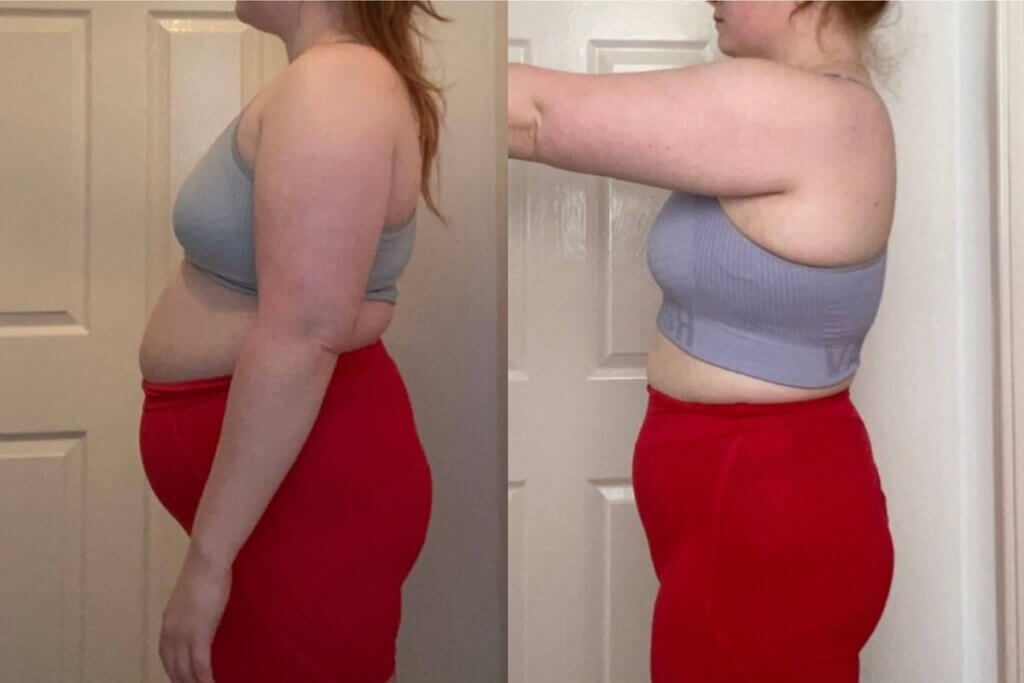
You might have checked out “5 Trainer-Approved Exercises for Abdominal Fat Loss,” which has great moves for targeting your core. Those are powerful, but core work and extra cardio alone won’t overcome the damage done by chronic sleep deprivation or unaddressed stress.
Similarly, the blog “How Much Harder Is It for Women to Lose Weight” highlights differences in metabolism and hormones. But even those differences shrink when you prioritise rest and balance. Recovery levels the playing field.

Here are strategies I use with my clients that deliver results:
Each of these helps your cortisol reset, boosts fat loss potential, and keeps you more resilient.
So here’s the thing: to burn fat smart, you need more than workouts and calorie math. Sleep well, recover fully, manage stress, and your hard work won't just catch up, it’ll amplify.
If you’re ready to master the rest of fat loss, let’s work together. Book a consultation or arrange a coaching session with us, and I’ll help you build a plan that prioritises recovery and results.

